Comparison Of Best Sublimation Printers for Jersey Production
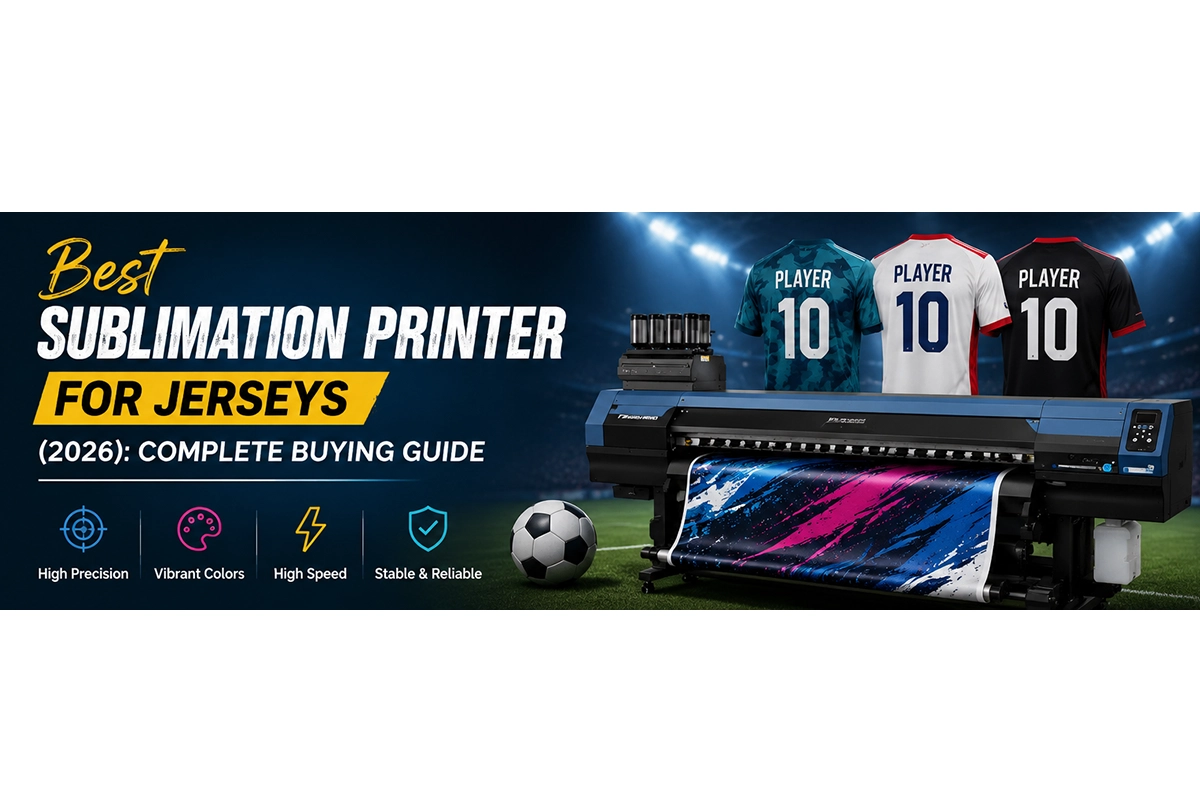
To help you choose the right setup, we’ve evaluated the industry’s leading dye-sublimation printers based on print width, ink delivery systems, and production capabilities specifically required for sportswear.
Key Takeaway for Jersey Production: While desktop models work well for small crests or youth sizes, full-bleed adult jerseys (cut-and-sew) strictly require A3+ (13″x19″) or 24″+ wide-format printers to cover the entire fabric panel seamlessly.
Top Recommended Sublimation Printers for Jerseys at a Glance
| Printer Model | Print Category | Max Print Width / Size | Ink Supply System | Target Business Level | Best For (Jersey Application) |
|---|---|---|---|---|---|
| Sawgrass SG1000 | Purpose-Built Desktop | Up to 11" x 17" (13" x 19" with Bypass Tray) |
SubliJet Cartridges | Beginners / Small Custom Studios | Chest Logos, Youth Jerseys & Numbers |
| Epson EcoTank ET-15000 | Converted Office Printer | Up to 13" x 19" (A3+) | Refillable Tank (Bottles) | Budget Startups / Low-Volume Customizers | Entry-level Adult Jerseys & Small Apparel |
| Epson SureColor F570 | Purpose-Built Commercial | 24" (Wide-Format Roll/Sheet) | High-Capacity Ink Bottles | Growing Sports Brands / Print Shops | Full-Bleed Adult Jerseys & Full Sleeve Panels |
| Mimaki TS100-1600 | Industrial Roll-to-Roll | 64" (1,610 mm Wide-Format) | 1L Bulk Ink Bottles (Sb610) | High-Volume Sportswear Factories | Mass Production Cut & Sew Team Apparel |
Quick Buyer Summary for 2026:
- For DIY & Small Logo Printing: If you only need to print team logos, numbers, or youth-sized jerseys, a desktop setup like the Sawgrass SG1000 ( $1,500 – $1,800 ) or Epson ET-15000 ( $600 – $800 ) offers a low-cost entry point.
-
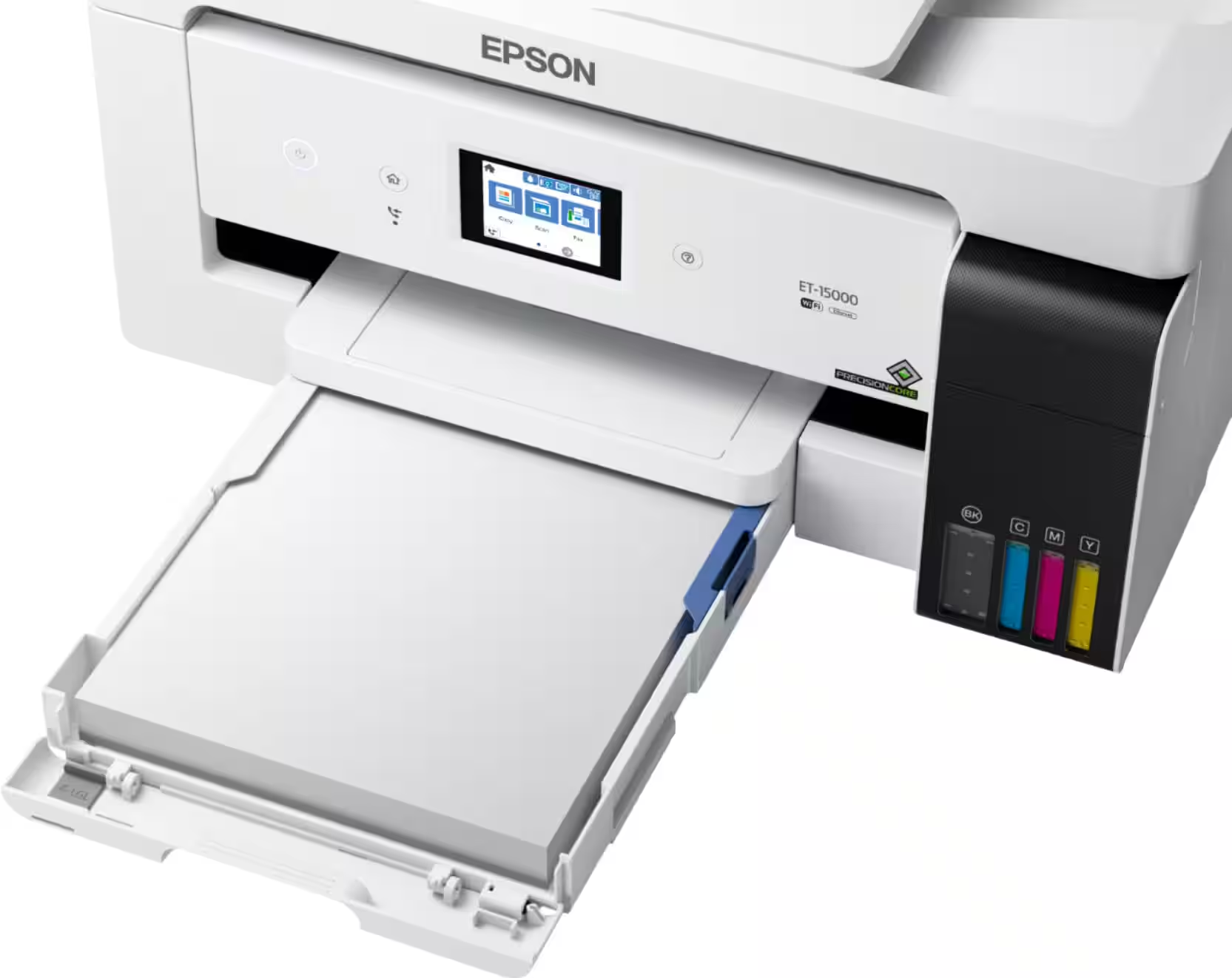
- Epson ET-15000
-
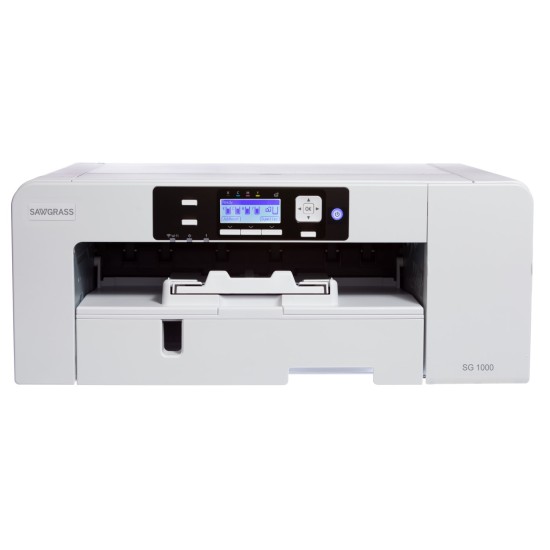
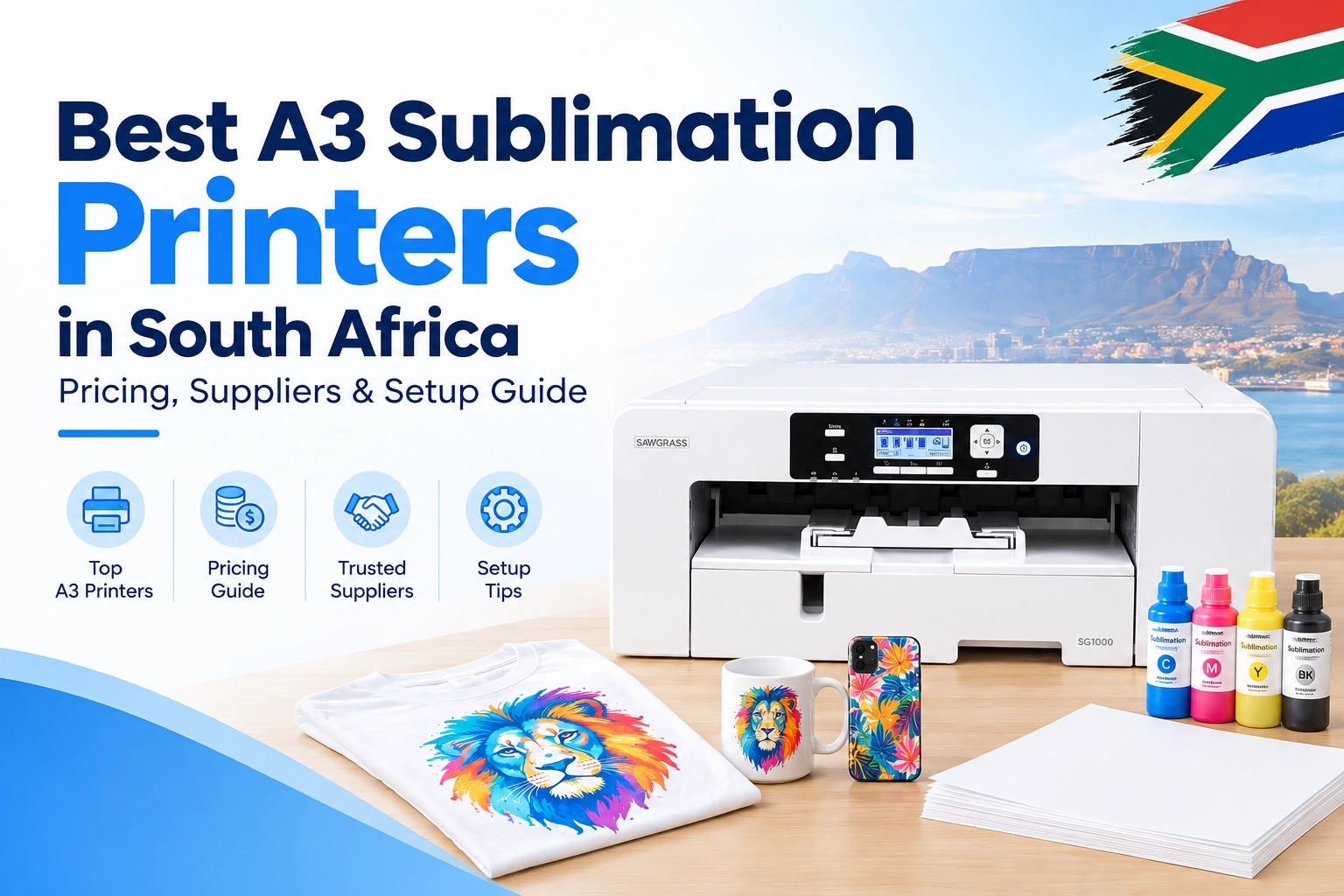
- Sawgrass SG1000
- For Professional Adult Jerseys: To print edge-to-edge, full-bleed adult jerseys (front/back panels and sleeves), you must choose at least a 24-inch printer like the Epson SC-F570 ( $2,600 – $2,900 ) or an industrial roll-to-roll system like the Mimaki TS100 ( $7,500 – $9,000+ ). A4 or standard A3 desktop printers simply cannot cover complete adult garment panels without leaving unprinted margins.
-
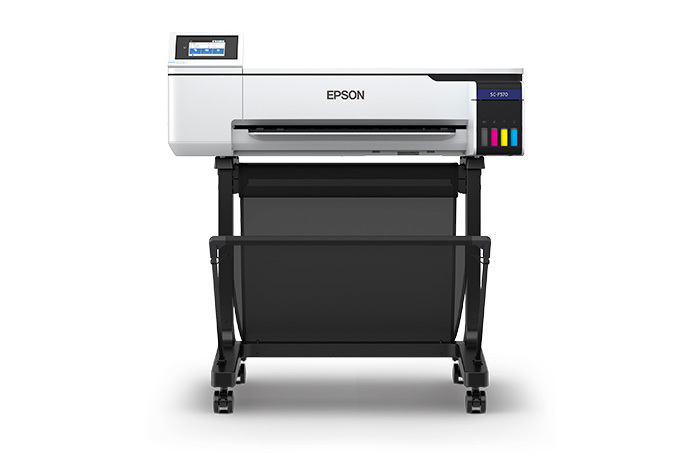
- Epson SC-F570
-
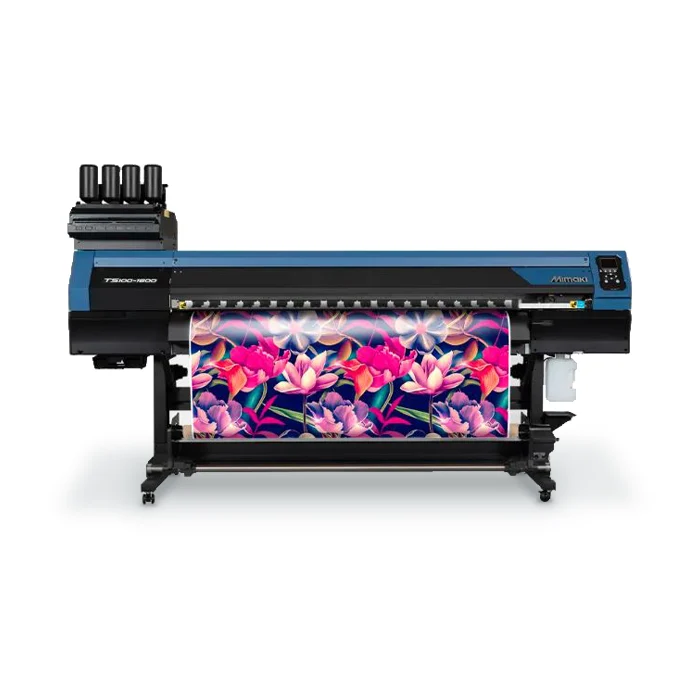
- Mimaki TS100
What else do you need when using the best sublimation printer for jerseys?
Investing in a high-performing printer is only the first step. To consistently produce retail-ready, competition-grade sportswear, your complete configuration must meet four core technical criteria:
Requirement 1: Wide-Format Print Capacity (A3+ to 24″+ Roll-to-Roll)
Standard A4 or letter-sized desktop printers are severely limited—they can only output smaller elements like chest logos, sleeve numbers, or youth-sized panels. Adult jerseys require full-bleed cut-and-sew production, where front, back, and sleeve panels are printed edge-to-edge before stitching. To prevent awkward white unprinted margins or forcing multi-panel seams, a professional workflow requires flat-sheet printing of at least A3+ (13″x19″) for smaller sizes, or a 24″ to 64″ wide-format roll-to-roll printer to handle full adult apparel layouts seamlessly.
Requirement 2: Industrial Bulk Ink Delivery System
In commercial sportswear manufacturing, profit margins depend heavily on ink efficiency and non-stop operational stability. Cartridge-based systems run out quickly, leading to frequent job interruptions, wasted transfer paper, and elevated ink costs per square meter. A professional setup relies on high-capacity refillable ink tanks or 1L+ bulk bottle delivery systems. This setup drastically reduces consumable costs by up to 50–70% while guaranteeing continuous output for long production runs.
Requirement 3: Dedicated ICC Color Profiles & High Color Saturation
Sportswear fabrics (100% polyester moisture-wicking meshes) absorb dispersed dye inks differently than traditional paper or cotton. Achieving intense, vibrant team colors, rich blacks, and eye-catching neon/fluorescent shades requires more than just high DPI resolution. Your setup must utilize dedicated ICC (International Color Consortium) profiles optimized specifically for polyester fabrics and dye-sublimation ink formulations. Accurate ICC profiling ensures zero color drift between screen design and final heat-transferred garments.
Requirement 4: Seamless Matching with Large Heat Press Equipment
A top-tier dye-sublimation printer is only as effective as the heat press behind it. To achieve full-bleed panel coverage without color fading or ghosting, your heat transfer equipment must match or exceed your print width. For example, pairing a 24″ wide-format printer with a small 15″x15″ clamshell press creates a severe bottleneck. Professional jersey operations use large-format flatbed presses (e.g., 32″x40″ or larger) or continuous rotary calender presses to guarantee uniform heat and pressure across the entire jersey panel.
What You Gain by Using the Best Sublimation Printer for Jerseys
Investing in a top-tier dye-sublimation printer isn’t just about owning advanced machinery—it transforms your entire production process and product performance. Here is what you achieve when upgrading to the best sublimation setup for sportswear:
Unrivaled Breathability & “Zero-Feel” Prints: Because dispersed dyes infuse directly into the polyester fibers rather than sitting on top, your jerseys retain 100% of their original fabric micro-porosity. Athletes get a lightweight, moisture-wicking garment that keeps them cool during intense matches.
Extreme Wash Fastness & Elastic Stretch: Graphics, sponsor logos, and player numbers become chemically bound to the synthetic yarn. Your prints will never peel, crack, chip, or fade, even after repeated high-temperature washing, heavy friction, and aggressive fabric stretching.
Complete Design Freedom in a Single Pass: You can execute edge-to-edge full-bleed artwork, complex photo-realistic patterns, subtle color gradients, and personalized player details simultaneously. Everything transfers cleanly in a single press without adding labor steps or extra production time.
Maximum Profitability with Zero MOQ Limitations: With no physical plates, mesh screens, or complex setup prep required, your cost per print stays consistently low whether you are running a 500-unit team order or a single custom replacement jersey.
Sublimation vs Other Jersey Printing Technologies
As a specialized digital printing equipment and consumables source manufacturer with nearly two decades of industry experience, Winnerjet regularly guides apparel factories on selecting the right technology. While dye-sublimation is the undisputed champion for sportswear, understanding how the printers and production workflows compare helps you build a more efficient, high-margin facility.
1. Best Sublimation Printer vs DTF Printer (Direct-to-Film)
- Sublimation Printers: The gold standard for athletic apparel. Sublimation printers vaporize disperse dyes directly into the polyester fibers. Because the ink becomes part of the yarn, it delivers a 100% breathable, zero-feel print that will never peel, crack, or fade under heavy sweat and high-tensile fabric stretching.
- DTF Equipment: DTF printers output white and CMYK ink onto PET film, requiring a powder shaker machine to cure adhesive powder. While a full-panel DTF print reduces breathability on sports jerseys, DTF excels on dark or cotton fabrics. Winnerjet Factory Insight: We often recommend client factories run a wide-format sublimation printer alongside a compact DTF setup (like our Winnerjet 30cm Powder Shaker & DTF System) to handle localized dark numbers, sleeve crests, or accessory caps.
2. Best Sublimation Printer vs. Screen Printing Equipment
- Sublimation Printers: Completely eliminate physical screen mesh setups, film outputs, and color separation fees. With high-density dye-sublimation printers, you can output infinite color gradients, photo-realistic sponsor logos, and personalized player numbers in a single pass with zero minimum order quantities (MOQs).
- Screen Printing: Requires burning a separate physical screen for every single color layer. Printing a 10-color full-bleed jersey using screen equipment requires massive setup time and expensive labor, making it economical only for single-color, high-volume bulk runs.
3. Best Sublimation Printer vs. DTG Printer (Direct-to-Garment)
- Sublimation Printers: Formulated specifically for synthetic polyester micro-fibers, acting as the ultimate engine for performance athletic wear.
- DTG Printers: Engineered specifically for natural fiber absorption (such as 100% cotton t-shirts and hoodies). DTG water-based pigment inks cannot adhere cleanly or bond securely to polyester mesh, making DTG printers unsuitable for performance jerseys.
Why a Great Printer Isn’t Enough: The Role of Sublimation Ink
A high-performance printer is only half the equation. The ink itself dictates color saturation, printhead longevity, and wash fastness. Low-quality ink often contains inconsistent particle sizes that cause nozzle clogs, color shifting, and premature wash fading.
When evaluating ink for jersey production, consider three technical factors:
- Fluidity & Filtration: Ink filtered below 0.2 microns prevents micro-clogs in piezo printheads, ensuring smooth continuous runs during multi-meter roll printing.
- Color Saturation & ICC Matching: High disperse dye concentrations are required for deep blacks and vibrant team colors without requiring excessive ink load on transfer paper.
- Wash Fastness: Disperse dyes must chemically bind with polyester under heat, achieving Grade 4–5 fastness against heavy laundering and sweat exposure.
For print shops optimizing operating costs and color accuracy, using factory-tested Sublimation Ink Solutions formulated for wide-format hardware ensures long-term system stability.
One-Stop Factory-Direct Solution for Jersey Printing
Building an efficient jersey production line requires more than buying hardware—it demands a reliable, synchronized supply chain. Sourcing printers, transfer media, and inks from multiple disconnected vendors often leads to compatibility friction, unpredictable color variance, and delayed technical support.
Partnering directly with a source manufacturer eliminates these operational bottlenecks:
- Factory-Direct Wholesale Pricing: By working directly with an integrated manufacturer, apparel businesses bypass middleman markups, reducing total consumable and hardware acquisition costs by up to 20–30%.
- One-Stop Printing Ecosystem: Modern jersey manufacturing often requires a hybrid setup. Beyond high-purity dye-sublimation consumables, having direct access to complementary systems—such as industrial DTF Powder Shaker Equipment alongside specialized DTF, UV, and DTG inks—ensures seamless integration for both full-bleed sublimated garments and dark-fabric accent logos.
- Global Reliability & Technical Support: With long-term partnerships supporting print operations worldwide, a dedicated technical team provides continuous ICC profile calibration, hardware integration, and multi-lingual technical assistance to ensure zero production downtime.
Streamline Your Jersey Production Line: Whether you are setting up a new wide-format sublimation facility or looking to optimize consumable costs for an existing operation, explore complete printing lines on the Winnerjet or consult our technical team for custom factory-direct solutions.
FAQ
Do I need a sublimation printer and heat press bundle to make jerseys?
Yes. A sublimation printer only transfers disperse dye onto sublimation paper. To permanently bond the dye into 100% polyester jersey fabric, you need a matching heat press machine. For full-bleed adult jerseys, a large flatbed press (at least 32″ x 40″) or a continuous rotary calender transfer machine is required to cover entire garment panels evenly.
What is the best sublimation printer for large prints on full-bleed adult jerseys?
For large prints covering full adult jersey layouts (front, back, and sleeve panels), wide-format roll-fed printers like the 24-inch Epson SureColor F570 or 64-inch Mimaki TS100 are the best options. Standard A4/A3 desktop printers leave unprinted margins on larger garments, leading to awkward seam gaps.
What is the best sublimation printer for beginners or small business startups?
For beginners or small custom print shops focusing on youth jerseys, sleeve logos, or chest crests, desktop models like the Sawgrass SG1000 or a converted Epson EcoTank ET-15000 offer an affordable entry point. As your order volume grows, upgrading to a 24-inch or larger commercial roll printer with bulk ink systems becomes essential to lower unit costs.
Can I use Sawgrass sublimation printers for high-volume commercial jersey manufacturing?
While Sawgrass printers (like the SG500 or SG1000) deliver high color accuracy and easy operation, they are designed for low-volume, small-item customization. For commercial jersey manufacturing requiring full-bleed coverage and continuous production, wide-format industrial printers paired with high-capacity bulk ink systems offer significantly lower consumable costs and faster output.