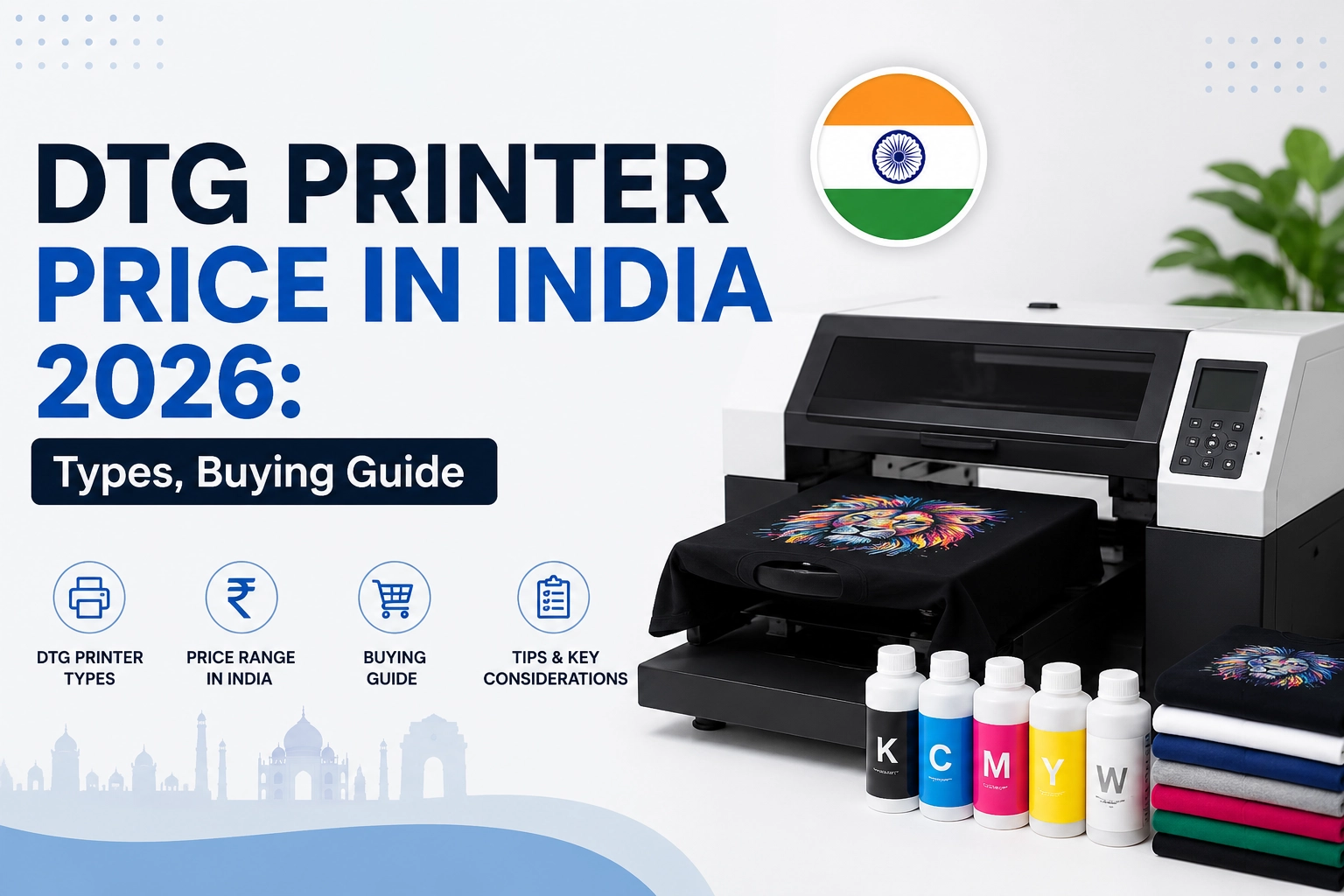
If you are planning to start or expand a custom apparel business, understanding the DTG printer price in India is crucial for budgeting your investment. Currently, the overall DTG printer price in India ranges from ₹40,000 to ₹24,00,000+ INR, depending strictly on the printhead technology, production speed, and brand reliability.
Whether you are looking for an entry-level desktop setup or a high-speed industrial printing line, this comprehensive guide will break down the real costs, hidden expenses, and the best buying channels across India.
How Much Does a DTG Printer Cost in India? (2026 Price Overview)
To give you a clear baseline, the cost of DTG machines in the Indian market can be categorized into three distinct tiers based on their build quality and daily output capacity.
Below is a structured DTG printer price list in India to help you identify where your budget fits:
📊 India DTG Printer Price Matrix
| Machine Category | Estimated Price Range (INR) | Daily Production Capacity | Best Suited For |
|---|---|---|---|
| Entry-Level / Desktop Modified | ₹40,000 - ₹2,00,000 | 10 - 30 T-shirts / day | Startups, DIY Hobbyists, Low-budget testing |
| Mid-Range Commercial (Local/Chinese) | ₹3,50,000 - ₹8,00,000 | 100 - 300 T-shirts / day | Growing Print Shops, Local T-shirt Brands |
| High-End Industrial Brands | ₹10,00,000 - ₹24,00,000+ | 500+ T-shirts / day | Large Garment Exporters, High-volume POD Hubs |
⚠️ Important Tax Note for Indian Buyers:
When budgeting for your machine, please remember that the prices listed above are base machine costs. In India, commercial printing machinery generally attracts an 18% GST (Goods and Services Tax), which will be added to the final invoice alongside inland transportation and wooden crate packaging fees.
Types of DTG Printers in India: Modified vs Original
When navigating the Indian garment printing market, you will quickly notice that DTG machines are fundamentally split into two worlds: Modified Desktop Setups and Original/Brand Industrial Printers. Choosing the right type depends entirely on your daily order volume and initial risk tolerance.
Modified DTG Printers
The Engineering Behind It:
Modified DTG printers are built by local Indian engineering workshops in hubs like Delhi, Surat, and Mumbai. They take standard, older desktop photo printers from major brands, dismantle the chassis, and mount the print engine onto a custom-built mechanical flatbed system driven by a stepping motor.
Popular Modified DTG Printer Models in India:
- Epson L1800 Modified (A3 Size): The most legendary and widely available budget option in India. Known for its 6-color channel setup, local technicians frequently convert it to run CMYK + WW (White Ink).
- Epson L805 / L8050 Modified (A4/A3 Size): An ultra-budget option often used by absolute beginners for localized chest prints or small logo testing.
- Epson Stylus Photo R1390 Modified: Another favorite for flatbed conversion due to its durable mechanical structure and decent color output on light-colored cotton fabrics.
- Epson XP600 / DX9 Hybrid Flatbeds: A slightly stepped-up local conversion using entry-level Chinese industrial printheads mounted on a generic flatbed frame, trying to bridge the gap between desktop and commercial speed.
- Price & Advantages: Extremely low cost, typically ranging from ₹40,000 to ₹1,50,000 INR. It is highly affordable, making it the go-to choice for zero-budget startups, hobbyists, or DIY shirt designers who want to test the market waters.
- Fatal Disadvantages: These machines lack a built-in White Ink Circulation System. Because titanium dioxide (the heavy pigment in white ink) settles rapidly, these printers suffer from chronic printhead clogging if not manually agitated daily. Furthermore, they feature very slow printing speeds (often taking 5–8 minutes per dark garment) and come with zero official brand warranty from Epson India since the hardware has been modified.
-
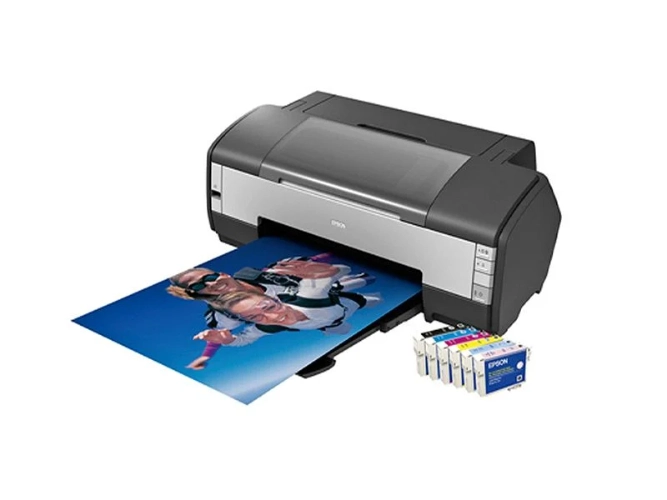
- Epson Stylus Photo R1390 Modified
-
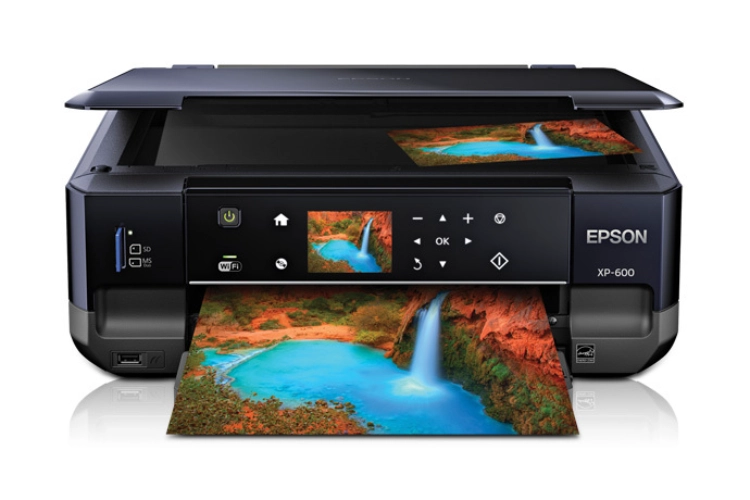
- Epson XP600 Hybrid Flatbed
-
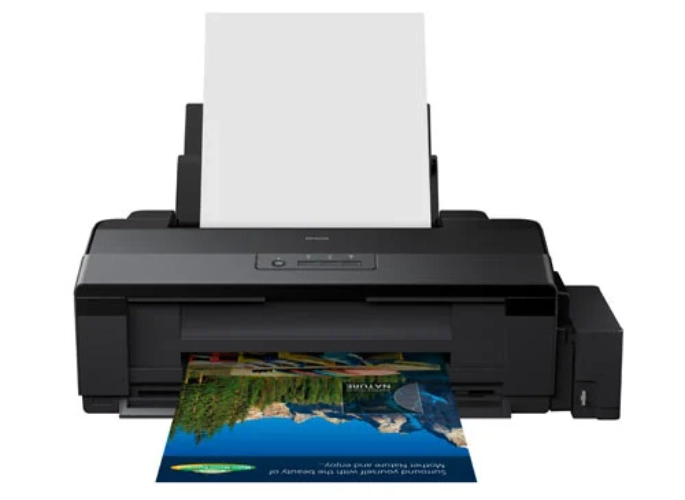
- Epson L1800 Modified (A3 Size)
-
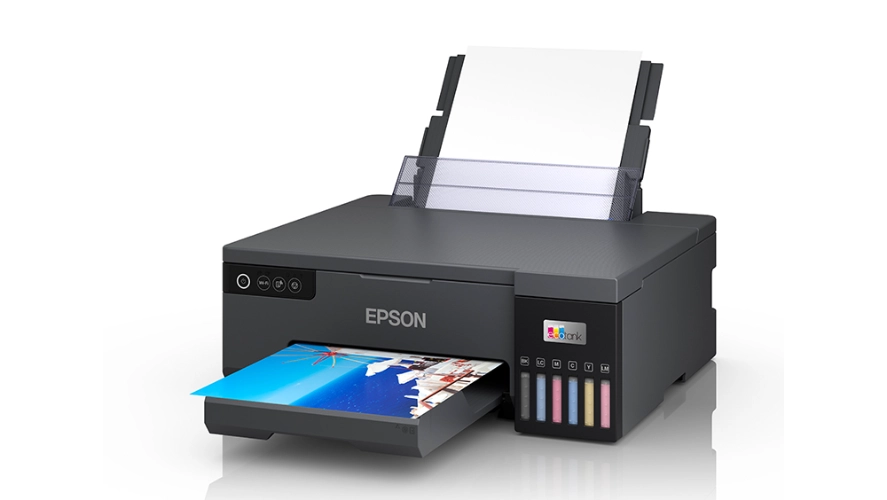
- Epson L8050 Modified
-
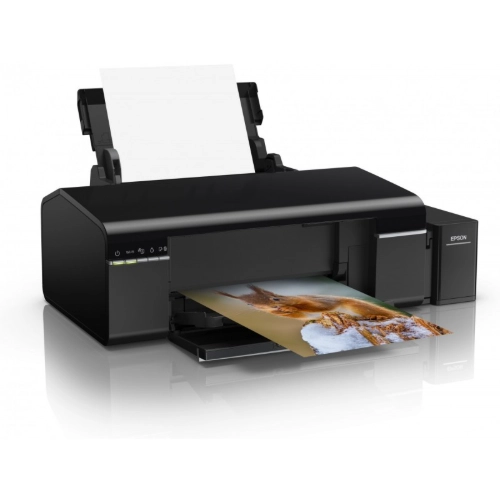
- Epson L805 Modified
Original / Brand DTG Printers
The Engineering Behind It:
These are purpose-built, heavy-duty industrial textile machines engineered from the ground up by global printing giants. They feature robust chassis, integrated RIP software workflows, automatic maintenance stations, and laser-guided height adjustment sensors to prevent printhead crashes.
Top Original Brand Models & Prices in India:
- Epson SureColor SC-F2230: Priced around ₹10,00,000 – ₹11,80,000 INR. This is a versatile DTG-and-DTF hybrid model that has gained massive traction in India for mid-to-high-tier print shops.
- Brother GTXpro (GTX 423): Priced around ₹14,00,000 INR. Renowned globally and locally for its reliable industrial printhead layout, fast cycling times, and exceptional ink yield.
- Brother GTXpro B (Bulk Ink System): Priced around ₹20,00,000 – ₹24,00,000 INR. Designed exclusively for high-volume factories looking to lower their per-milliliter ink cost by purchasing high-capacity ink tanks rather than cartridges.
- Ricoh Ri 1000 / Ri 2000: Priced around ₹8,50,000 – ₹13,00,000 INR. These models are highly competitive mid-to-high-tier commercial options in India. The Ri 1000 is favored by growing print shops for its automated maintenance and walk-up ready printing, while the Ri 2000 targets faster production speeds with dual carriage systems.
- Ricoh Ri 100: Priced around ₹2,50,000 – ₹3,50,000 INR. An all-in-one, entry-level desktop option. Unlike modified Epson printers, this is a purpose-built commercial desktop setup with a built-in heat fixer, though it is limited to light-colored garments (no white ink).
- Advantages: Exceptional production speed capable of hitting 500+ garments per day. They are equipped with advanced automated maintenance cap stations and continuous white ink circulation loops that eliminate the risk of clogging. The print quality is incredibly sharp, wash-fast, and fully backed by official manufacturer warranties and local engineering support teams across India.
-
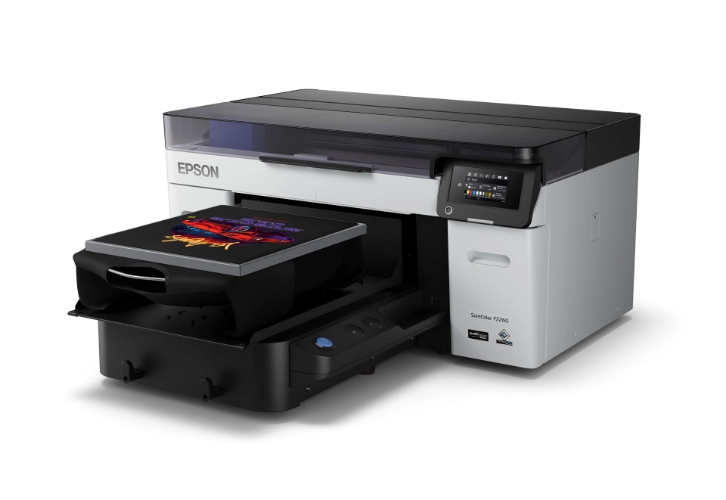
- Epson SureColor SC-F2230
-
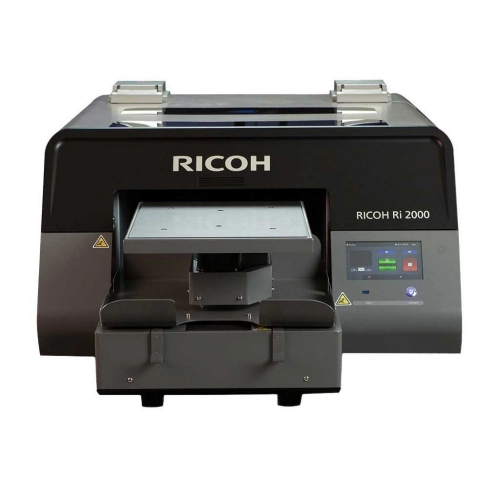
- Ricoh Ri 1000 Ri 2000
-
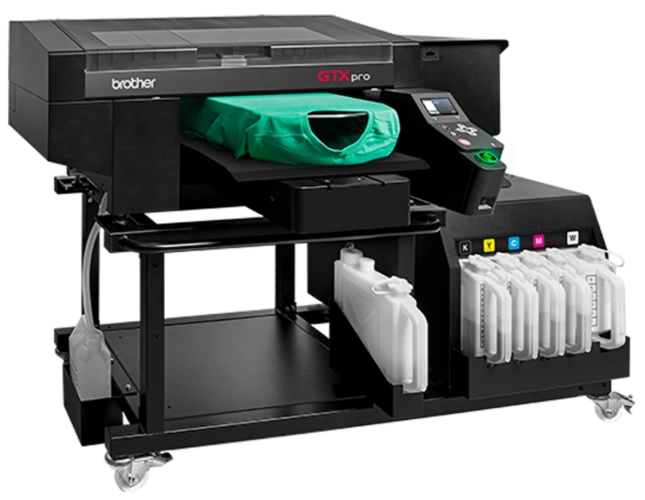
- Brother GTXpro B
-
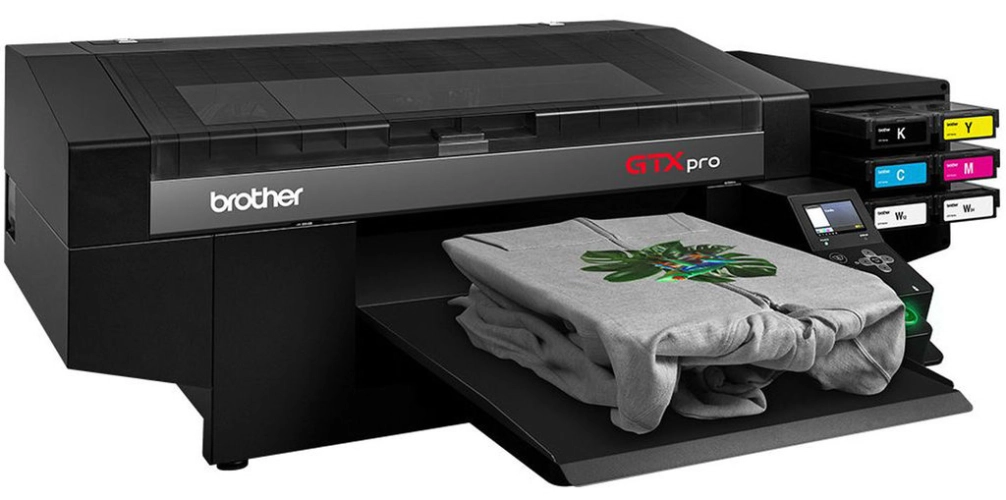
- Brother GTXpro
How & Where to Buy DTG Printers in India?
Investing in a DTG printer is a significant capital expense for any garment business in India. Finding a reputable source ensures you don’t just get a machine, but also the vital technical support needed to keep it running. Here is a breakdown of where to look and how to secure a safe transaction.
Major Printing Hubs in India
When looking for physical demos and immediate technical assistance, focusing on India’s major textile and industrial clusters is key. The highest concentration of reliable DTG suppliers, technicians, and spare part warehouses are located in:
- North India: Delhi NCR (Okhla Industrial Area, Noida)
- West India: Mumbai (Goregaon, Andheri) and Surat (the textile capital of India)
- East India: Kolkata
- South India: Coimbatore and Tirupur (the knitwear hub)
Why buy from these hubs? DTG printers require strict daily maintenance. Purchasing from a dealer with an active service center in these cities guarantees that a field engineer can reach your factory quickly if a printhead or electronic board malfunctions.
Top Buying Channels & Official Platforms
Depending on your budget and preferred brand tier, you can navigate three primary purchasing channels in India. Click the official links below to explore their direct commercial pathways:
- Authorized National Distributors (Premium Global Brands): For high-end industrial systems, always bypass middle tier dealers and purchase directly from national distributors to guarantee genuine inks and official factory support.
- For Brother GTX series, you can contact their premium partner via the DCC Group Official Website.
- For Epson Industrial DTG systems, inquiries and authorized quotes can be routed through the Epson India Commercial Portal.
- For Ricoh Ri series, explore direct equipment acquisition and corporate consultations via the Ricoh India Production Printing Portal.
- Local Industrial Manufacturers & Assemblers: If you are seeking mid-range commercial setups (Chinese/Indian hybrids running Epson i3200 heads), companies like Mehta Cad Cam Systems host dedicated showrooms in major hubs. You can check their machine catalog via the Mehta Cad Cam Official Website.
- B2B Marketplaces for Comparative Quotes: If you want to gather competitive quotes from various local dealers or find modified setups quickly, India’s top B2B platforms are the best starting point. To avoid fraudulent brokers, always filter your search using the “Verified Supplier” badges:
- Find local machinery listings via the IndiaMART DTG Marketplace.
- Compare wholesale dealer quotes via the Tradeindia B2B Portal.
Checklist Before Purchasing (3 Critical Steps)
Before signing any commercial invoice or transferring a deposit to an Indian supplier, make sure you complete this three-step safety checklist:
- Demand a Live Custom Sample Print: Never rely on pre-printed factory samples. Send your own complex graphic file (with gradients and fine text) to the supplier. Have them print it live (preferably via a video call) on the exact fabric blend (e.g., 100% cotton vs. bio-washed garments) you intend to use, and check the wash-fastness yourself.
- Clarify the Printhead Warranty Clause: The printhead is the most expensive consumable component of a DTG printer. Most premium brands (Epson, Brother, Ricoh) and local assemblers do not cover printhead clogging under standard warranty, attributing it to poor user maintenance or bad ink environment. Ensure you read the fine print regarding what exactly triggers a warranty replacement.
- Confirm Installation and RIP Software Fees: Many hidden costs slip into generic quotes. Explicitly confirm whether the quoted price includes the on-site engineer installation charges, return travel/accommodation for the technician, and the license fee for the RIP software (like CADlink, NeoStampa, or ErgoSoft).
DTG vs DTF Printer Price & Cost Comparison
In the Indian garment decoration market, many printing professionals actively debate between investing in Direct-to-Garment (DTG) or Direct-to-Film (DTF) technologies. While both methods utilize digital inkjet systems to output full-color graphics, their equipment investment thresholds and ongoing operational economics vary drastically.
Upfront Machine Cost
- DTF Printers: The initial capital entry barrier for DTF is significantly lower in India. A complete commercial DTF setup—which includes a dual-printhead A3 or 60cm (24-inch) roll-to-roll printer integrated with an automatic powder shaking and curing dryer—typically ranges from ₹2,50,000 to ₹7,00,000 INR. This makes it highly accessible for growing garment businesses.
- DTG Printers: Original, industrial-grade DTG printers demand a heavy capital investment, with prices consistently starting above ₹10,00,000 INR and scaling past ₹24,00,000 INR for top-tier configurations. While desktop-modified DTG options sit lower (around ₹1,50,000 INR), they lack the continuous industrial output and stability of a production-ready DTF line.
Running Ink and Consumable Cost
When looking past the hardware invoice, the ongoing cost per print (CPP) represents where these two systems truly diverge:
- DTF Consumable Structure: DTF relies on specialized PET transfer films, hot-melt adhesive powders, and basic textile pigment inks. In India, a standard full-size A3 or 60cm graphic printed via DTF incurs a highly competitive consumable cost, as the white ink and TPU powder prices remain globally optimized and economical.
- DTG Consumable Structure: DTG printing requires a multi-stage fluid process: a specialized pre-treatment solution (crucial for binding white ink to cotton fibers), premium-grade direct textile inks, and heat press finishing sheet cycles. Because high-end DTG systems require closed-cartridge systems or high-purity open inks to avoid printhead issues, the ink cost per milliliter is substantially higher.
Consequently, printing a dark-colored garment with a solid white underbase via DTG typically carries a higher per-garment production cost compared to the equivalent transfer sheet output via DTF.
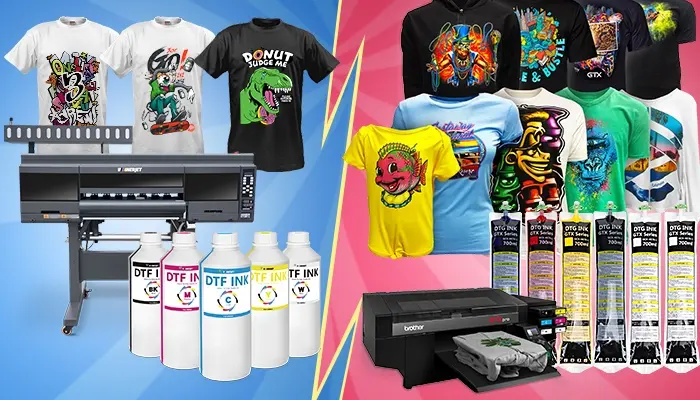
Ongoing Maintenance and Operating Costs for DTG Printing in India
Purchasing a digital printing machine is merely a one-time capital expenditure; however, in the fiercely competitive Indian apparel market, effectively managing ongoing maintenance and printing consumables is what truly determines your long-term profitability. To maintain healthy profit margins, you must systematically audit three core operational expenses and select a reliable supplier for printing consumables.
Ink & Pre-treatment Solution Consumption
The operational cost of a single garment shifts dramatically depending on the fabric color.
- Light-Colored Garments (CMYK Only): Printing on white or pastel cotton blanks requires minimal ink deposition, resulting in an exceptionally low Cost Per Print (CPP).
- Dark-Colored Garments (CMYK + White Ink + Pre-treatment): Printing on black or navy fabrics requires spraying a specialized pre-treatment solution to bind the pigments, followed by a heavy white ink underbase mask. Because white digital ink utilizes heavy titanium dioxide formulations, dark garment production consumes far more fluid.
💡 Smart Cost Optimization: To lower your cost per milliliter without sacrificing brilliant color vibrancy or wash-fastness, you can transition from high-margin OEM packaging to high-purity premium alternatives. For commercial operators running Ricoh equipment, sourcing premium third-party cartridges like the Compatible Ricoh Ri 1000/Ri 2000 Garment Ink Cartridges can drastically slash your dark garment running costs.
Printhead Replacement & Wear Costs
India’s highly variable climate—characterized by intense summer heat and extreme monsoon humidity—creates a harsh environment for digital printheads.
- The Risk Matrix: If a modified or low-tier commercial system is left idle without proper climate control, the white ink channels will settle rapidly.
- The Expense: Inadequate daily capping and flushing routines frequently lead to irreversible clogging. In the Indian market, replacing a compromised printhead every 6 to 12 months can set you back anywhere from ₹20,00,000 to ₹50,00,000 INR (or ₹20,000 – ₹50,000 INR for entry-level modified desktop parts).
Preventing this costly downtime requires using highly refined, stable chemical formulations that feature excellent anti-clogging properties. If your production line utilizes commercial Epson or Brother printer architectures, choosing stable, bulk fluid solutions like our Premium Industrial DTG Inks and Bulk Ink Bags will protect your printhead nozzles from premature wear and chemical precipitation.
Labor, Electricity, & Machine Depreciation
Running an industrial textile printing operation requires accounting for fixed factory overheads:
Labor Allocation: DTG lines require dedicated operators for automated pre-treatment spraying, loading garments onto platens, and executing final heat-press curing stages.
Power Consumption: Commercial tunnel dryers and heavy-duty automatic heat presses demand continuous electrical power, impacting your monthly utility invoicing.
Depreciation: Factoring in a standard 3 to 5-year depreciation cycle for your hardware ensures your business generates enough cash flow to reinvest in upgrading machinery down the line.
🎁 Maximize Your ROI: Get Free DTG Ink & Print Samples Today!
Choosing the right commercial consumables shouldn’t be a guessing game that risks your expensive industrial printheads. We are fully committed to helping Indian garment decorators lower production costs while achieving international wash-fastness and color vibrancy standards.
To prove our quality, we provide 100% FREE DTG ink compatibility testing and custom printed T-shirt samples tailored to your specific textile production needs.
Don’t let high OEM cartridge markup drain your shop’s profitability. 📩 Click Here to Request Your Free Testing Kit & Ink Catalog via WhatsApp. Or contact us via email for an in-depth consultation!