If you want to print designs on clothes or fabric, it’s important to pick the right method. Different printing methods give different results. Some are good for big orders; others are better for colorful or small designs.
In this easy-to-follow guide, you’ll learn about the 7 most popular fabric printing methods, how they work, and which one is best for your needs.
🖌️ 1. Screen Printing
✅ Great for:
- Large orders (like 100+ T-shirts)
- Simple designs with 1–3 colors
❌ Not great for:
- Detailed or photo-style images
- Printing just a few pieces
Helpful Tip: If you need to print lots of T-shirts with the same logo, screen printing is affordable and fast.

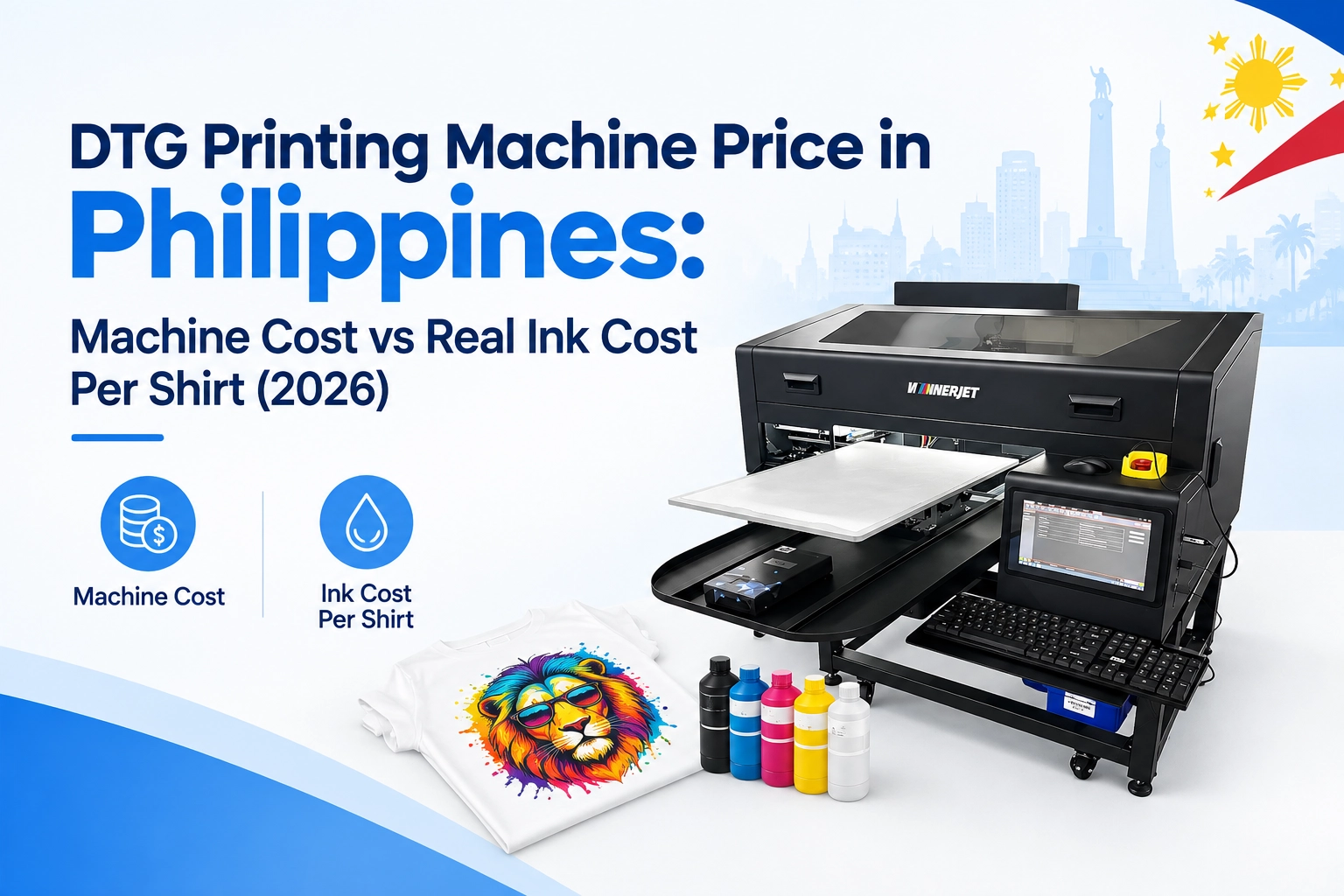
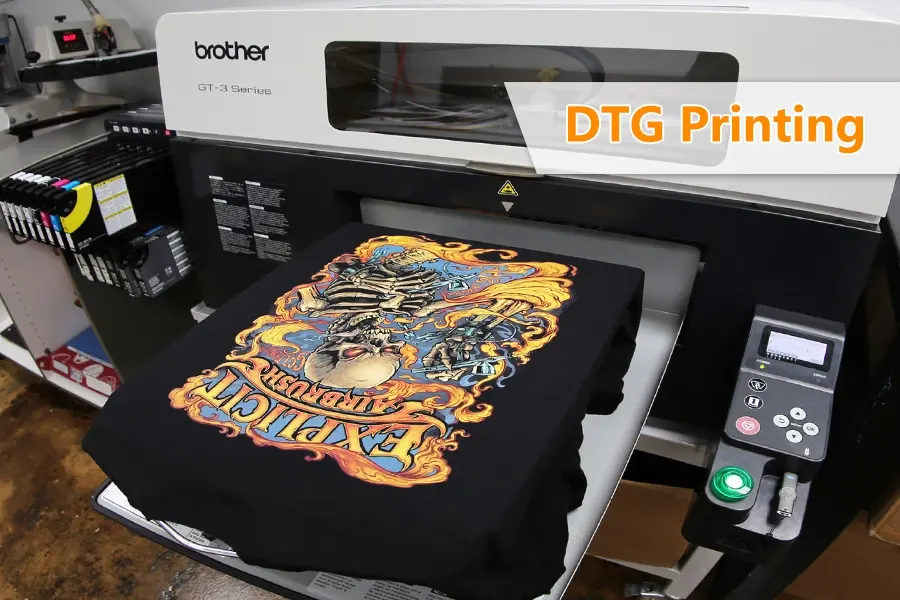
👕 2. DTG Printing
✅ Great for:
- Small batches
- Detailed and colorful designs
❌ Not great for:
- Dark polyester fabrics
- Large-volume jobs (slower than screen printing)
Winnerjet Tip: Our DTG pigment inks work smoothly with most DTG printers. They’re especially good for clean, bright designs on cotton shirts. Winnerjet DTG pigment inks feature a micro-filtration standard below 0.2 microns, maintaining zero printhead clogging across 200+ continuous print cycles on 100% combed cotton.
🎞️ 3. DTF Printing
✅ Great for:
- Cotton, polyester, blends, even leather
- Sharp, colorful, long-lasting prints
❌ Not great for:
- Projects without access to a heat press
Winnerjet Tip: Our DTF films are easy to peel (hot or cold) and work well with many fabrics—perfect for both small businesses and print shops.
Wondering why DTF is one of the best printing methods for uniform shirts?
See the Full Workflow of High-Quality DTF Printing
🌈 4. Sublimation Printing
✅ Great for:
- Polyester clothing
- Bright and all-over designs
❌ Not great for:
- Cotton or dark fabrics

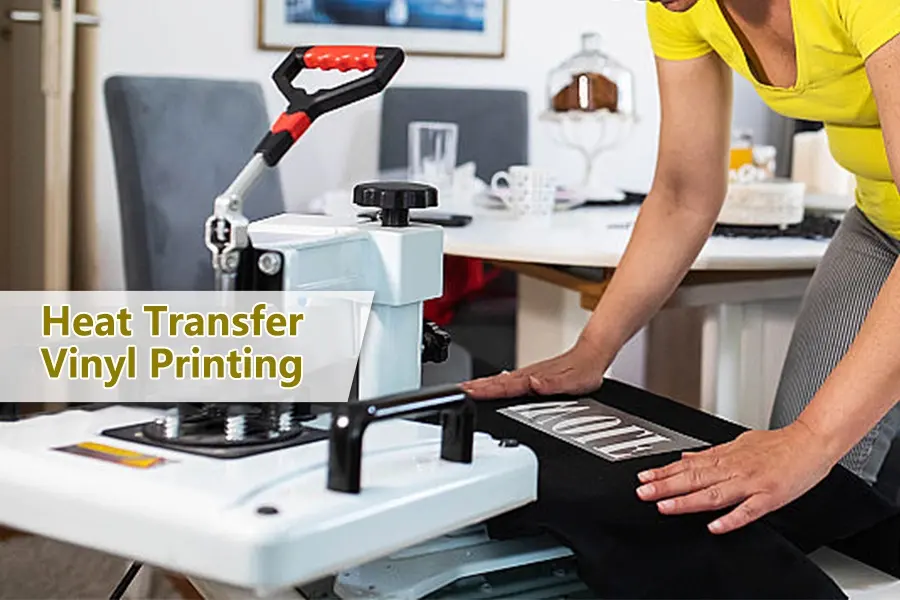
🔥 5. Heat Transfer Vinyl (HTV)
✅ Great for:
- Names, numbers, and simple logos
- Personalized or small-batch items
❌ Not great for:
- Complex or photo-style images
Pro Tip: It’s best used for simple and bold shapes, like sports uniforms or promotional gear.
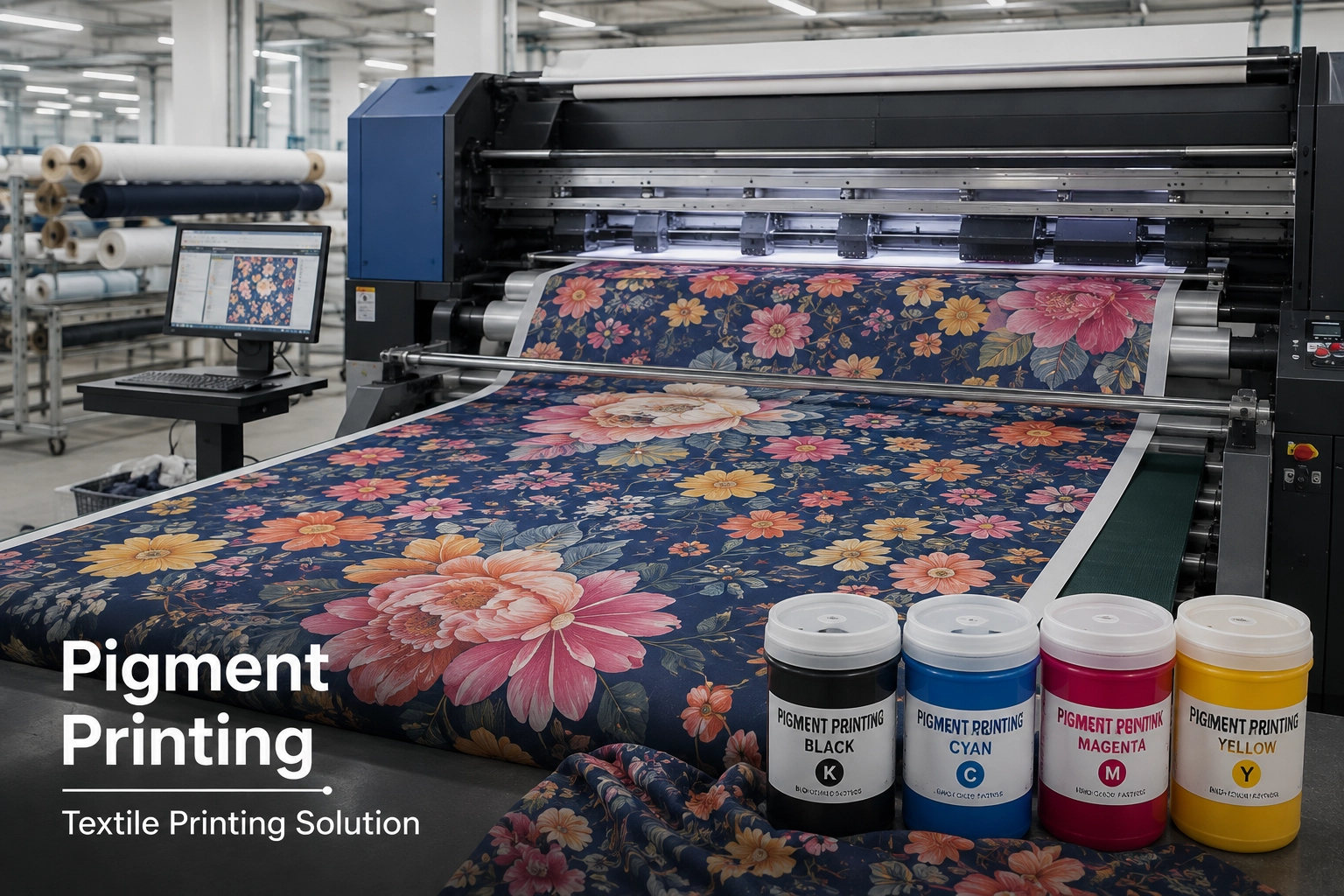
🎨 6. Pigment Printing
✅ Great for:
- Cotton, linen, and natural fabrics
- Simple or soft-color patterns
❌ Not great for:
- Deep color printing or very soft finishes
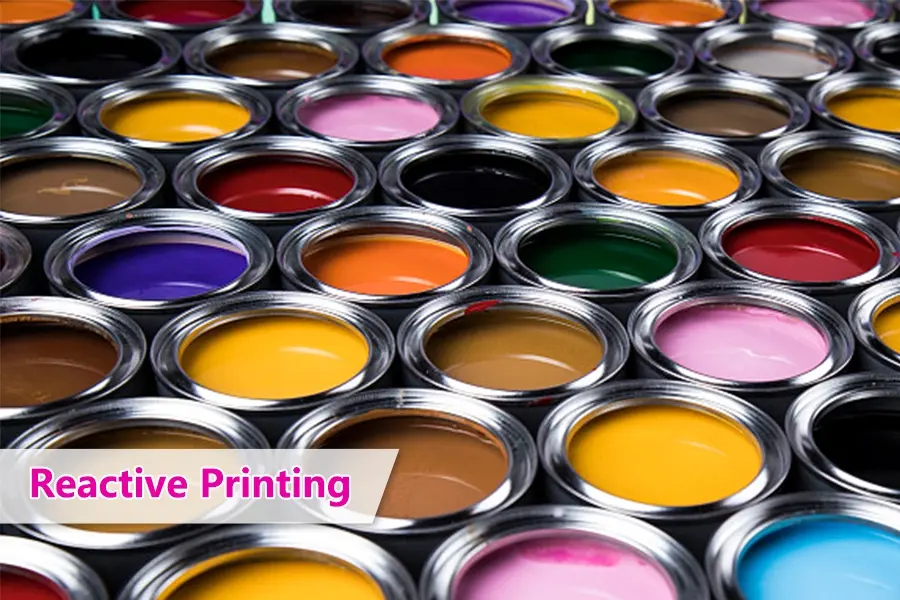
⚗️ 7. Reactive Printing
✅ Great for:
- Cotton, silk, and wool
- High-end fashion prints
❌ Not great for:
- Polyester or synthetic fabrics
- Quick or simple jobs (the process is longer)
Use Case: Ideal for luxury brands or fashion designers who want bright colors and a soft finish.
📊 Easy Comparison Table
Please refer to this comparison table to evaluate seven mainstream fabric printing processes based on cost, minimum order quantity (MOQ), wash fastness, and fabric suitability.
Swipe left/right to view full comparison details →
| Printing Method | Best For | Compatible Fabrics | Cost per Item | Recommended MOQ | Washability / Durability | Production Speed |
|---|---|---|---|---|---|---|
| Screen Printing | Bulk orders & simple logos | Cotton, Polyester, Blends | $ (Lowest on bulk) | 50+ pcs | High (50+ washes) | Fast (after set-up) |
| DTG Printing | Small batches & complex colors | 100% Cotton, Light Blends | $$$ (High per print) | 1–10 pcs | Moderate (30+ washes) | Slow to Medium |
| DTF Printing | Multi-fabric designs & logos | Cotton, Poly, Blends, Leather | $$ (Very balanced) | 1–50 pcs | High (40+ washes) | Medium to Fast |
| Sublimation | All-over sports gear & apparel | 100% Light Polyester | $–$$ (Low on poly) | 1–20 pcs | Highest (Permanent) | Fast |
| Heat Transfer Vinyl | Bold numbers & simple icons | Cotton, Poly, Blends | $ (Small scale) | 1–5 pcs | Moderate (Fades over time) | Slow (Requires weeding) |
| Pigment Printing | Eco-friendly & soft-feel prints | Cotton, Linen, Natural Fibers | $$ | 10+ pcs | Moderate (30+ washes) | Medium |
| Reactive Printing | Luxury fashion & high-end apparel | Silk, Wool, Fine Cotton | $$$$ (Premium) | 100+ pcs | High (Professional grade) | Slow (Complex post-wash) |
Expert advice for custom apparel businesses: If you are looking for a solution that combines low minimum order quantities (MOQs), broad fabric compatibility, and excellent wash durability, DTF printing is currently the most cost-effective method. Discover Winnerjet’s premium DTF film and ink solutions to elevate your print quality.
Choosing the Best Methods for High-Quality Fabric Printing: A Focus on Uniforms:
When choosing the best methods for high-quality fabric printing, the real test is durability. For businesses seeking the best printing methods for uniform shirts, the focus must be on Colorfastness—ensuring logos don’t fade or crack after repeated industrial washing.
DTF Printing: The modern standard for high-quality, multi-color logos. It combines a premium, soft-touch finish with professional-grade colorfastness.
For long-lasting uniforms, always prioritize methods that balance vibrant detail with high wash-cycle endurance.
✅ Final Thoughts
There’s no one-size-fits-all printing method. Here’s how to choose:
- For full-color detail, go with DTG or DTF
- For large orders, choose screen printing
- For sporty prints: Use sublimation of HTV
- For eco-focused brands: Try pigment printing
- For high-end garments, consider reactive printing
Winnerjet provides high-quality DTF film, pigment ink, and DTG ink to support all these methods. Whether you’re starting a small custom shop or growing your garment business, we have the supplies to help you succeed.
📩 Need Printing Supplies?
Whether you’re choosing the best printing methods for uniform shirts or high-end apparel, seeing is believing. Request a free sample pack printed with Winnerjet high-quality DTF ink to test its durability yourself.
❓FAQs
Which fabric printing method lasts the longest?
Dye sublimation and screen printing last the longest. Sublimation permanently embeds ink into polyester fibers without cracking or fading. For heavy cotton fabrics, high-quality DTF (Direct-to-Film) and screen printing provide superior wash durability, withstanding over 40–50 industrial wash cycles.
Is DTF better than DTG for custom t-shirts?
Yes, DTF is generally more versatile and cost-effective than DTG. While DTG excels at ultra-soft prints on 100% cotton, DTF works seamlessly across cotton, polyester, blends, and dark garments without complex pretreatments, delivering higher color vibrancy and better wash resistance.
What is the easiest fabric printing method for beginners?
Heat Transfer Vinyl (HTV) and DTF transfer films are the easiest methods for beginners. HTV requires only a basic cutter and a heat press for simple designs, while pre-printed DTF films allow users to press high-detail, multi-color designs onto fabric in seconds with zero ink management.
What is the best printing method for 100% cotton shirts?
DTG, DTF, and Pigment printing are the best options for 100% cotton. DTG offers a breathable, super-soft hand feel for single pieces. DTF provides vibrant color contrast on both light and dark cotton, while screen printing remains the most economical choice for large bulk cotton orders.
Can you use sublimation on dark or black shirts?
No, standard sublimation does not work directly on black or dark fabrics because sublimation inks are transparent and require light-colored polyester to show. To print vibrant designs on dark garments, DTF printing is the recommended alternative.