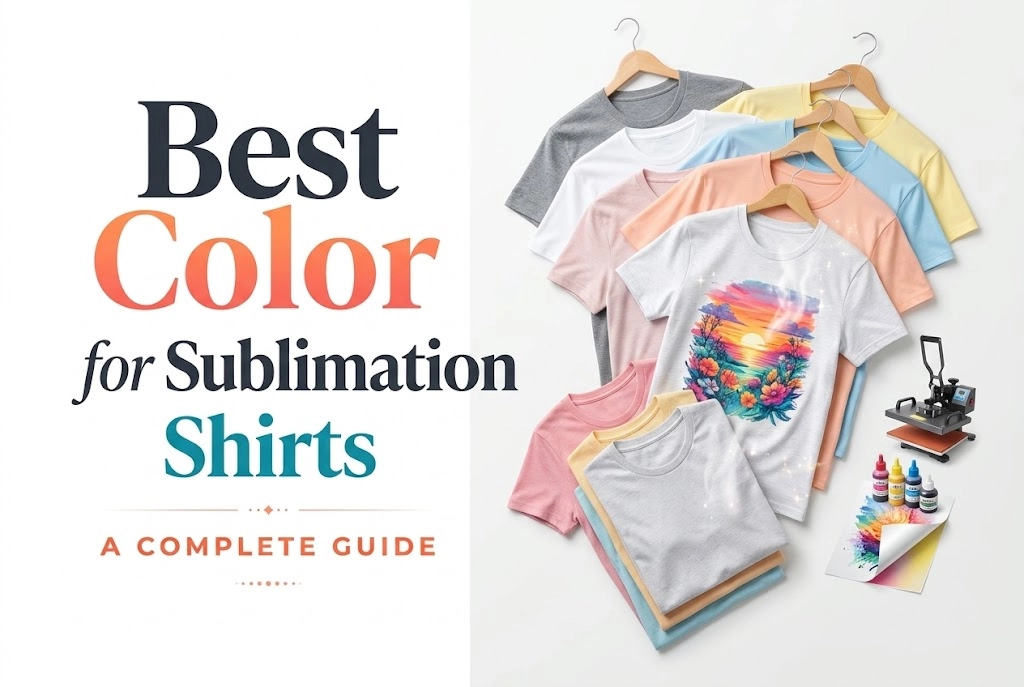
The best color for sublimation shirts is white, especially when using 100% polyester fabric. White shirts provide a neutral background that helps colors appear bright and clear without interference from the shirt’s base color. Light gray, pale pink, and light blue shirts can also work well, depending on your design. However, the fabric color may change how the printed image looks. Dark shirts, such as black or navy, are generally unsuitable for standard sublimation because sublimation ink cannot effectively cover dark backgrounds.
What Is the Best Color for Sublimation Shirts?
White is generally the best color for sublimation shirts because it provides a neutral background that allows printed colors to appear bright and clear. Light-colored polyester shirts, such as light gray, pale pink, and light blue, are also suitable options, but the shirt’s base color can affect the final appearance of the design.
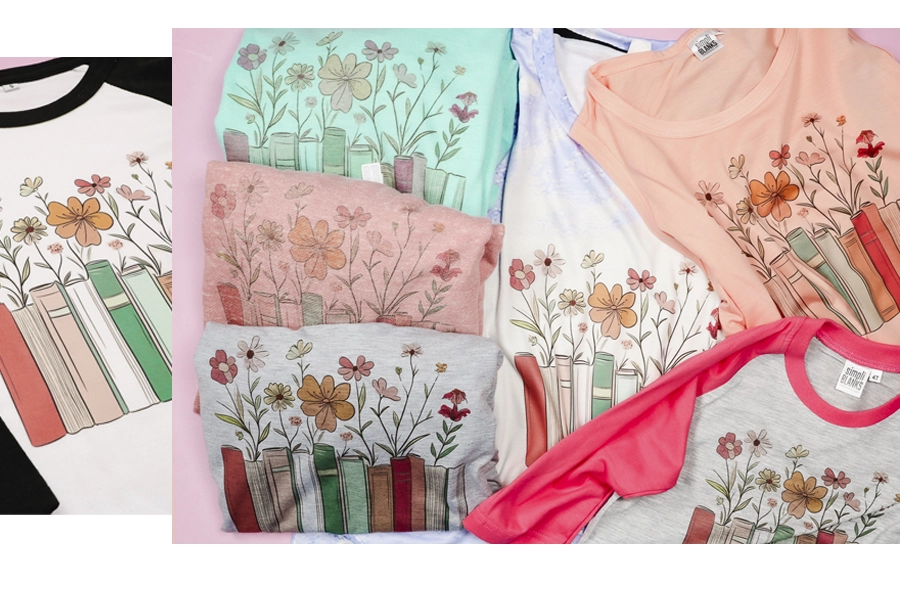
In its guide to sublimation on colored shirts, The Country Chic Cottage demonstrates how different shirt colors affect sublimation results. This highlights an important point: the same design may look different depending on the color of the fabric.
Sublimation Shirt Color Chart: Which Shirt Color Should You Choose?
| Shirt Color | Best Design Types | Main Consideration |
|---|---|---|
| White | Photos, full-color graphics, gradients, detailed artwork | Best overall choice for bright, predictable colors |
| Light gray | Minimalist designs, black text, neutral graphics | Colors may appear slightly muted |
| Light pink | Floral artwork, warm palettes, soft graphics | Light areas may take on a pink tint |
| Light blue | Ocean themes, cool-toned graphics, sky designs | Light areas may take on a blue tint |
| Dark colors | Designs better suited to alternative transfer methods | Standard sublimation colors may be difficult to see |
Note: These are general visual trends; actual results will also depend on the fabric, the lightness or darkness of the base color, the ink used, and the heat-pressing conditions. Dark-colored fabrics do not mean that all designs are impossible to transfer; rather, standard sublimation printing typically fails to achieve the desired level of vibrancy and opacity.
Choose white polyester shirts when color brightness and accuracy are your priorities. Light-colored shirts are useful alternatives when the fabric color complements the design, while dark shirts generally require a different printing approach for vivid results.
Why Does Shirt Color Affect Sublimation Printing?
Shirt color affects sublimation printing because sublimation ink does not create an opaque layer over the fabric. Instead, the dye bonds with the polyester fibers during heat transfer, allowing the fabric’s base color to influence the final appearance.
This is why the same design can look bright on a white shirt but appear more muted or take on a different tint on a colored shirt. Understanding how ink and fabric interact helps you choose the right shirt for your design.
Sublimation Ink Is Translucent
Unlike opaque printing inks, standard sublimation inks do not provide solid coverage over the fabric. During heat transfer, the dye penetrates suitable polyester fibers rather than forming a thick layer on top of the material.
As a result, the shirt’s base color remains visually important. White fabric provides a neutral background for the dye colors, while gray or pastel fabric can alter their appearance. Dark fabric can reduce the visibility of sublimation colors significantly.
Watch the original video by winnejet to see the actual process of sublimation printing. When choosing the color of your shirt, keep in mind that white or light-colored polyester fabrics typically yield the most vibrant and sharp-looking designs.
Why White Areas Show the Shirt Color
Standard sublimation printing typically does not use white ink. When a design contains white areas, the printer generally leaves those areas without sublimation ink, allowing the underlying fabric to show through.
On a white shirt, these areas appear white. On a pink or blue shirt, they may appear pink or blue instead. This is an important consideration when printing photographs, logos, and graphics that contain white backgrounds or highlights.
If your design requires white elements to remain white on a colored garment, standard sublimation alone cannot achieve that result. You may need a different printing method or a carefully planned design.
How Fabric Color Changes the Final Design
The same artwork can produce different results on different shirt colors because the fabric acts as the background for the sublimation dyes.
For example, a colorful design printed on a white polyester shirt will generally look brighter and more predictable than the same design printed on a light gray shirt. On a pale pink or light blue shirt, lighter parts of the image may take on a tint from the fabric.
Screen previews cannot fully predict these differences because they do not automatically account for the physical color of the shirt. For more reliable results, print a test design on the actual fabric before producing a large batch.
Practical tip: If color accuracy matters, test the same design on white and your preferred light-colored polyester shirts. Compare the finished prints under consistent lighting before selecting the fabric for production.
How to Choose the Best Shirt Color for Your Design
The best sublimation shirt color depends on your artwork and the result you want to achieve. White is generally the safest choice for full-color designs, while light-colored shirts can create softer or more distinctive effects. According to Vapor Apparel’s guide to sublimation shirt printing, the garment’s base color affects how sublimation ink appears, so choosing a shirt that complements your design is essential.
For Full-Color Photos and Detailed Graphics
Choose white polyester shirts for photographs, colorful illustrations, gradients, and detailed artwork. The neutral background helps preserve color brightness and makes it easier to achieve predictable results.
For Black Text, Logos, and Simple Designs
White and light gray shirts work well for black text, logos, line art, and minimalist graphics. Dark ink can provide clear contrast against these backgrounds. If you choose a colored shirt, check that the design remains easy to read.
For Pastel, Floral, and Soft-Tone Designs
Light pink, pale blue, and other pastel shirts are suitable for floral patterns, soft graphics, and coordinated apparel designs. Keep in mind that the fabric color can affect light areas and shift the appearance of some colors, so test your design on the actual shirt before production.
For Vintage or Faded Effects
For a softer, vintage-inspired appearance, consider a light-colored polyester blend or a fabric specifically designed for this effect. Lower polyester content can produce a more muted sublimation result, but the appearance and durability may vary. Test the fabric before committing to a bulk order.
Can You Sublimate on Dark or Black Shirts?
Standard sublimation printing is generally not suitable for black or dark-colored shirts because sublimation ink cannot effectively cover the fabric’s base color. If you need bright, visible designs on dark cotton shirts, DTF printing is usually a better option. However, if you want the dye to bond with the fabric fibers, choose a suitable light-colored polyester shirt.
Why Standard Sublimation Works Poorly on Dark Fabrics
Sublimation ink is translucent and does not provide an opaque white base. On black or dark-colored shirts, the fabric can overwhelm the printed colors, making the design appear dull or difficult to see. White areas in the design will also show the fabric color rather than print as white.
DTF Printing vs Sublimation for Dark Shirts
DTF and sublimation serve different printing needs. DTF uses a transfer film and can incorporate white ink, making it suitable for colorful designs on dark cotton and polyester garments. Sublimation is better suited to compatible polyester fabrics, where the dye bonds with the fibers without leaving a thick transfer layer.
For a more detailed comparison, read Winnerjet’s guide to DTF ink vs sublimation ink.
How to Test Sublimation Colors Before Printing
Before mass production, test your design on the actual shirt fabric and color to avoid unexpected color shifts and inconsistent results.
- Use the actual fabric: Match the shirt color and polyester content to your final order.
- Print a color test chart: Include white areas, gradients, skin tones, vivid colors, and fine details.
- Set the correct press parameters: Follow the recommended temperature, time, and pressure, and record the settings.
- Compare under consistent lighting: Check color accuracy, brightness, and contrast across different shirt colors.
- Check wash performance: For bulk orders, test washed samples and confirm consistency between fabric batches.
Winnerjet tip: Approve a physical sample before mass production to reduce waste and maintain consistent print quality.
The Best Colors for Sublimation-Printed Shirts
White polyester shirts are generally the best choice for bright, clear, and predictable sublimation prints. Light gray, pale pink, and light blue can create different visual effects, but the fabric color may affect the final result. For colorful designs on dark or cotton shirts, consider DTF printing as an alternative.
For print shops and bulk buyers, choosing the right ink and fabric combination is essential for consistent results. Contact Winnerjet to discuss sublimation ink selection, sample testing, and print proofing before placing a bulk order.
We welcome requests for free samples of sublimation ink for testing purposes.
FAQ Best Color for Sublimation Shirts
Which Is Better, DTF or Sublimation?
Sublimation is ideal for suitable polyester fabrics and produces prints that bond with the fibers. DTF works on more fabric types, including cotton and dark shirts. Choose based on your material and design needs.
What Color Shirt Reflects the Most Heat?
White generally reflects more sunlight and absorbs less radiant heat than black. However, fabric weight, breathability, and weave also affect comfort.
What Sublimation Products Sell the Most?
Popular sublimation products include T-shirts, mugs, tote bags, and personalized gifts. Demand varies by market. Research your target customers and test designs before investing in bulk production.
What Are the Best Colors for Sublimation Printing?
White is best for bright, accurate colors. Light gray, pale pink, and light blue are also suitable, but the fabric color may affect the final result. For consistent prints, choose a suitable polyester shirt.
How to Choose the Right Fabric for Sublimation Shirts?
Choose white or light-colored shirts with a high polyester content for bright, clear results. Cotton shirts are unsuitable for standard sublimation because the dye bonds best with polyester fibers. Always test the actual fabric before bulk production.
Can You Use Sublimation Ink on Black or Dark-Colored Shirts?
Standard sublimation works poorly on dark shirts because the ink cannot cover the fabric color. For bright designs on dark cotton or polyester, DTF is usually a better choice.